
Soft, Golden, Homestyle Cinnamon Vanilla Friendsgiving Cake
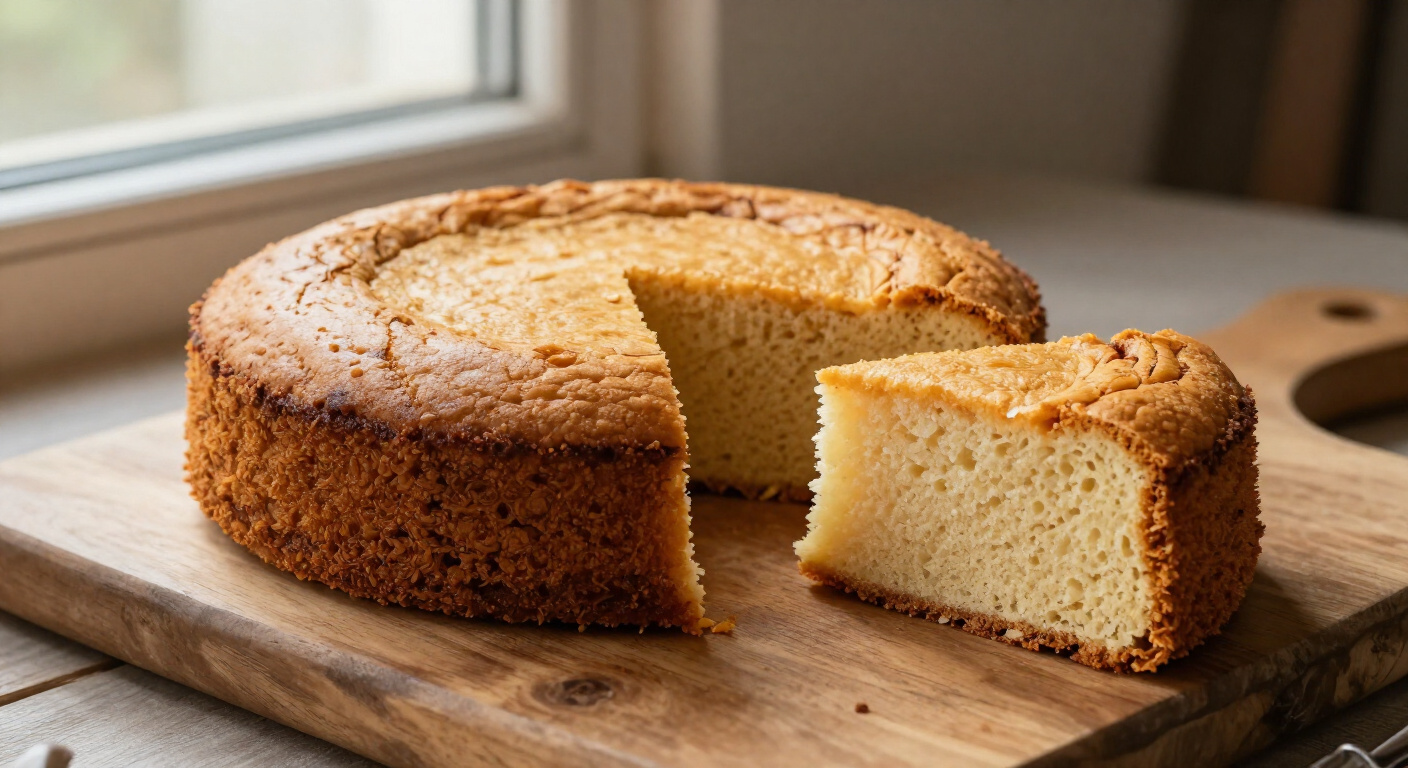
Friendsgiving cake with a golden, cinnamon-scented crumb, ready in 70 minutes from two bowls. Bake it a day ahead, then get the full recipe.
Picture a golden-brown friendsgiving cake, its kitchen filled with warm cinnamon and vanilla. In about 70 minutes, you get a soft, velvety cake from just two bowls and a whisk. Bake it a day ahead and it becomes an easy crowd-pleaser for your Friendsgiving table.
Why This Recipe Works
• Room-temperature eggs and milk blend smoothly: Cold eggs and milk can seize the cooled butter into tiny lumps. Room-temperature liquids stay emulsified, giving the batter an even, fine crumb.
• Melted butter keeps the crumb moist: Liquid butter coats the flour as it mixes, limiting gluten and keeping the crumb tender. Cooling it first stops it from scrambling the eggs.
• Folding gently protects a tender structure: Overmixing builds gluten, which turns cake tough and rubbery. Stop folding the moment the flour disappears, and the batter stays light.
• Resting in the pan firms the crumb: A short pan rest lets the structure set before the cake moves. Cooling on a wire rack then keeps trapped steam from making the bottom soggy.
Ingredients You'll Need
All-Purpose Flour: This is the backbone of your cake. Its gluten gives the crumb enough hold to rise tall without turning tough. Cake flour makes a softer, more tender crumb, and a 1:1 gluten-free blend works too.
Granulated Sugar: Sugar sweetens the batter, keeps the crumb moist, and helps the top turn golden-brown. Light brown sugar is a fine swap, though the cake will taste deeper and more caramel-like.
Baking Powder: This is your lift. It reacts with the wet ingredients and puffs the batter in the oven. There's no exact swap, so check that yours is fresh, or use a homemade blend of cream of tartar and baking soda.
Baking Soda: Baking soda adds extra rise and helps the crumb brown evenly. Don't skip it, because the two leaveners work together. If you're out, use 1½ teaspoons baking powder instead, though the flavor will shift slightly.
Kosher Salt: Salt sharpens the cinnamon and vanilla, so the cake doesn't taste flat. You only need a small pinch. Fine table salt works, but use about ¼ teaspoon, since it's denser.
Ground Cinnamon: This is the warm, cozy spice that makes your kitchen smell like Friendsgiving. Its sweet, woody flavor balances the sugar. Pumpkin pie spice or a pinch of ground nutmeg can stand in, using about ¾ teaspoon of pie spice.
Unsalted Butter: Melted and cooled, butter gives the cake its rich flavor and tender, moist crumb. Cooling it first keeps it from scrambling the eggs. Neutral vegetable oil, ½ cup, is a good swap for a moister, less buttery cake.
Large Eggs: Eggs bind the batter, add structure, and make it rich. Room-temperature eggs blend more smoothly with the other liquids. For each egg, 3 tablespoons of unsweetened applesauce works, though the crumb will be a bit denser.
Whole Milk: Milk loosens the batter and adds tenderness. Room-temperature milk blends with the melted butter without seizing it into lumps. Unsweetened oat milk or 2% milk works, and the cake stays soft with slightly less richness.
Pure Vanilla Extract: Vanilla adds warm, rounded sweetness that pairs beautifully with cinnamon. Its aroma is a big part of what fills the kitchen. Vanilla bean paste, same amount, adds real flecks and a deeper flavor.


How to Make It (Step by Step)
This cake comes together in two bowls: whisk the dry and wet separately, fold them gently, then bake and cool. Even if you've never baked a cake from scratch, you'll get there with a golden, fragrant result.

- Preheat the oven until the rack sits centered and the indicator light clicks off, 15-20 minutes at 350°F / 175°C. Warm air should fill the kitchen.

- Whisk the flour, sugar, baking powder, baking soda, salt, and cinnamon in a large bowl until the mix looks pale, even, and free of lumps, 1-2 minutes at room temperature (70°F / 21°C). Your kitchen should smell like warm spice.

- Whisk the eggs, whole milk, cooled melted butter, and vanilla in a second bowl until smooth and slightly foamy, about 1 minute at room temperature (70°F / 21°C). The mixture should look silky.

- Pour the wet mixture into the dry bowl and fold gently until a thick, velvety batter forms with no dry pockets, 30-60 seconds at room temperature (70°F / 21°C). Stop as soon as the flour disappears.

- Spread the batter evenly into the round cake pan until the top looks level, 1-2 minutes at room temperature (70°F / 21°C). Tap the pan once on the counter to settle it.

- Bake the cake until the top turns golden-brown and a toothpick inserted in the center comes out clean, 35-45 minutes at 350°F / 175°C. The edges should pull slightly from the pan.

- Cool the cake in its pan on a wire rack until the sides no longer look steamy, 10-15 minutes at room temperature (70°F / 21°C). Then the structure will hold firm.

- Turn the cake out onto the rack and cool completely until the surface feels firm and no longer warm to the touch, 60-90 minutes at room temperature (70°F / 21°C). Then it is ready for Friendsgiving.

Recipe Notes
• Storage: Keep the cooled cake loosely covered at room temperature for up to two days. After that, refrigerate it for up to five days. To freeze, wrap it tightly and keep it up to three months. Thaw overnight, then warm slices for 10 seconds.
• Key substitution: Out of whole milk? Use 2% milk for the same soft, tender crumb. Skip skim, which can leave the cake pale and drier. Oat milk works in a pinch.
• Make-ahead tip: Bake the cake up to one day ahead and keep it wrapped at room temperature. Whisk the dry ingredients into a jar the night before to speed up Friendsgiving morning.
• Common mistake: Using old baking powder. Test it by stirring half a teaspoon into hot water. It should fizz hard. If it doesn't, buy a fresh can before baking.
Serving size: 1 portion · Calories: 380 · Total Fat: 17g · Saturated Fat: 10g · Carbs: 52g · Fiber: 1g · Sugar: 33g · Protein: 6g · Sodium: 260mg
Tips and Tricks
- Equipment: Use a light-coloured round cake pan: A light metal pan bakes evenly and keeps the edges from browning too fast. Dark pans can over-colour the base before the centre sets.

- Temperature precision: Hold the oven at exactly 350°F / 175°C: Wait for the indicator light to click off, then check with an oven thermometer. Even 25 degrees low can leave the centre sunken and gummy.
- Common mistake: Opening the oven door too early: Each peek drops the temperature and lets cool air settle around the batter. Wait until the minimum bake time before checking, so the centre can rise and set.
- Flavour upgrade: Add a pinch of nutmeg: If you love warm spice, stir ¼ teaspoon freshly grated nutmeg into the dry mix. It deepens the cinnamon and adds a gentle, slightly nutty note.
- Texture tip: Tap the pan before baking: One firm tap on the counter settles the batter and pushes out large air pockets. You'll get a finer, more even crumb under a soft, golden top.

Frequently Asked Questions
Can I make this friendsgiving cake dairy-free or use a substitute for the butter?
Swap the ½ cup melted butter for ½ cup melted refined coconut oil or neutral vegetable oil. Use ¾ cup unsweetened almond milk in place of whole milk, and the cake stays soft and golden.
Can I freeze single slices, and how do I bring them back to tender?
Wrap each cooled slice in plastic wrap, then foil, and freeze for up to six weeks. Thaw one slice at room temperature for 30 minutes, then warm it at 300°F for 6-8 minutes to revive the crumb.
Why does my friendsgiving cake turn out dense or gummy in the center?
The batter was likely overmixed or the cake was underbaked. Fold only until the flour disappears, then bake until a toothpick comes out clean and the top is golden-brown, with the edges pulling slightly from the pan.
What to Serve With This
- Tart Cranberry Compote: Its bright, sour bite cuts through the cake's sweetness and gives every forkful a lively lift.
- Lemon Greek Yogurt: Cool, tangy yogurt keeps the velvety crumb from feeling heavy and adds a creamy contrast.
- Fresh Raspberries: Juicy, sharp berries bring a burst of acidity that brightens the soft, tender cake.
- Crisp Apple Slices: Crunchy, tart apple wedges contrast the soft crumb and leave a fresh, clean finish.

Soft, Golden, Homestyle Cinnamon Vanilla Friendsgiving Cake
Dessert / American
- Prep
- 25 min
- Cook
- 45 min
- Total
- 1 h 10 min
- Servings
- 12
- Calories
- 380 kcal
Ingredients
- 1½ cups all-purpose flour, spooned and leveled
- 1 cup granulated sugar
- 1 teaspoon baking powder
- ½ teaspoon baking soda
- ½ teaspoon kosher salt
- 1 teaspoon ground cinnamon
- ½ cup unsalted butter, melted and cooled
- 2 large eggs, room temperature
- ¾ cup whole milk, room temperature
- 1 teaspoon pure vanilla extract
Instructions
- Preheat the oven until the rack sits centered and the indicator light clicks off, 15-20 minutes at 350°F / 175°C. Warm air should fill the kitchen.
- Whisk the flour, sugar, baking powder, baking soda, salt, and cinnamon in a large bowl until the mix looks pale, even, and free of lumps, 1-2 minutes at room temperature (70°F / 21°C). Your kitchen should smell like warm spice.
- Whisk the eggs, whole milk, cooled melted butter, and vanilla in a second bowl until smooth and slightly foamy, about 1 minute at room temperature (70°F / 21°C). The mixture should look silky.
- Pour the wet mixture into the dry bowl and fold gently until a thick, velvety batter forms with no dry pockets, 30-60 seconds at room temperature (70°F / 21°C). Stop as soon as the flour disappears.
- Spread the batter evenly into the round cake pan until the top looks level, 1-2 minutes at room temperature (70°F / 21°C). Tap the pan once on the counter to settle it.
- Bake the cake until the top turns golden-brown and a toothpick inserted in the center comes out clean, 35-45 minutes at 350°F / 175°C. The edges should pull slightly from the pan.
- Cool the cake in its pan on a wire rack until the sides no longer look steamy, 10-15 minutes at room temperature (70°F / 21°C). Then the structure will hold firm.
- Turn the cake out onto the rack and cool completely until the surface feels firm and no longer warm to the touch, 60-90 minutes at room temperature (70°F / 21°C). Then it is ready for Friendsgiving.
Share this article
About the author

Grace Nakamura
Grace spent her twenties too shy to invite anyone over, and hates how many years that cost her. Now the balcony is full every weekend and she is fierce about it. A board of little bites is how she tells people she is glad they came, and she means it every time.